Lighting
Solar Motion Sensor Lights
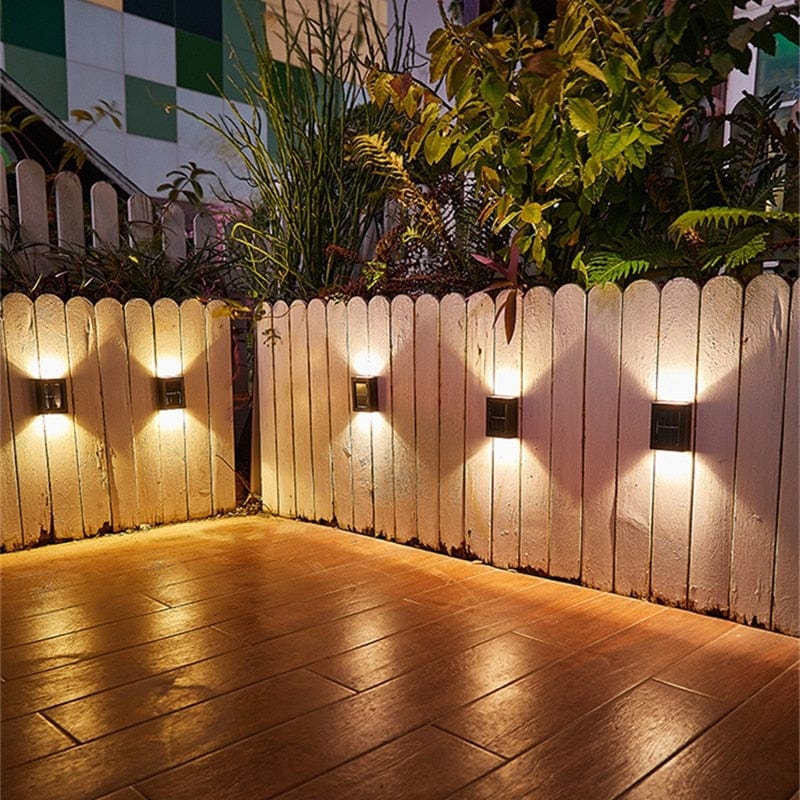
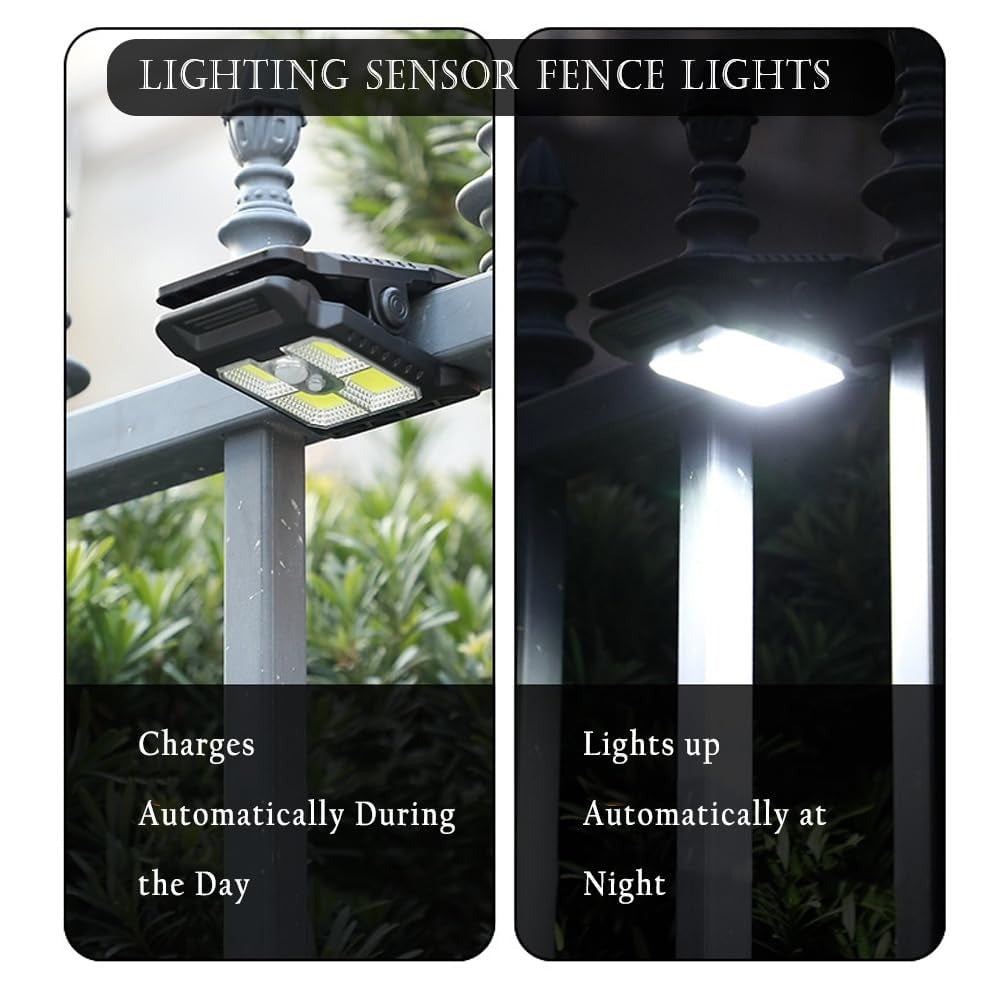
Solar Motion Sensor Lights — charges by day, comes on at dusk.
$21.99
- Free shipping over $40
- 30-day returns, label on us
- Ships in 1–2 business days
- Free shipping on orders over $40
- 30-day returns, return label included
- Secure SSL checkout · PayPal accepted
- Tracked worldwide delivery
About this piece
An outdoor light that charges through the day and switches itself on at dusk — no wiring back to the house and no plug to run. The thinking behind it is simple: get the size right, get the surface right, and leave everything else alone. Nothing here is decorative for its own sake.
Materials and build
A solid, straightforward build. Where a cheaper version would save a screw, a brace or a washer, this one keeps it — which is why it does not wobble after a season of use and why it does not develop the rattle that gives away a lightweight build.
Sizing, fixings and what you get
The wiring runs through a sealed gland at the housing rather than past a bare hole, which is the one detail that decides whether an outdoor light survives its first wet season. Connections are polarity-marked, and the run between units is on enough cable to reach a sensible spacing rather than being just long enough for one layout. Heat is kept away from the parts that age badly: the driver sits clear of the enclosure wall, and the lens is set proud of the body so the light leaves at a wide angle without a hard ring at the edge.
How the charging really behaves
A freestanding solar light with its own panel on top, sized to be staked, wall-mounted or stood on a surface. We would rather it be slightly plainer than slightly flimsy. So the shape is quiet, the corners are radiused rather than sharp for looks, and the material is chosen for how it behaves on the hundredth use rather than the first. The detail we spent the most time on is the one you notice least until it is missing. That is usually how it works with anything that gets handled daily: the failures are quiet ones, and they show up on the parts nobody photographed.
Getting the most out of it outdoors
First use is the honest test, and this one passes it: it does what the photographs suggest it does, without an accessories list you have to go and buy first. If you are choosing between this and something similar, the deciding detail is usually in the specification rather than the description — start there.
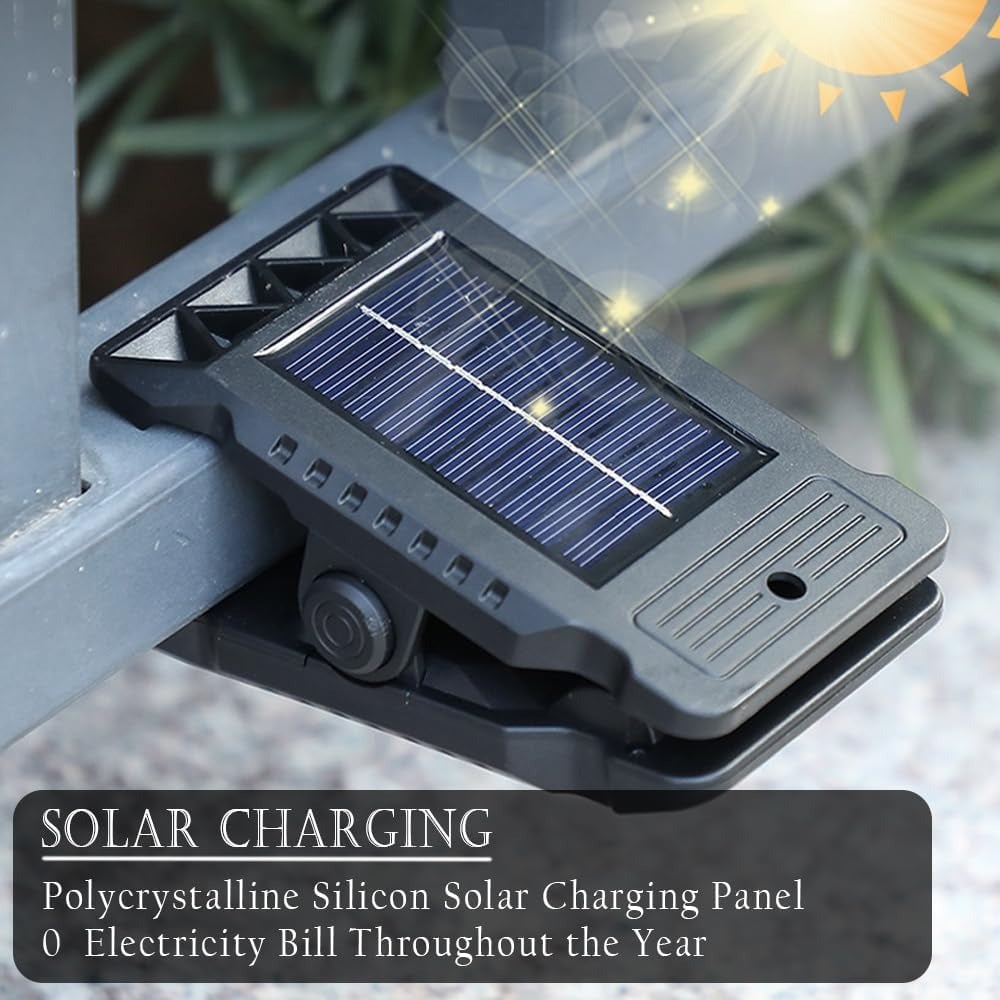
Integrated solar panel
Charges through the day with no wiring back to the house.
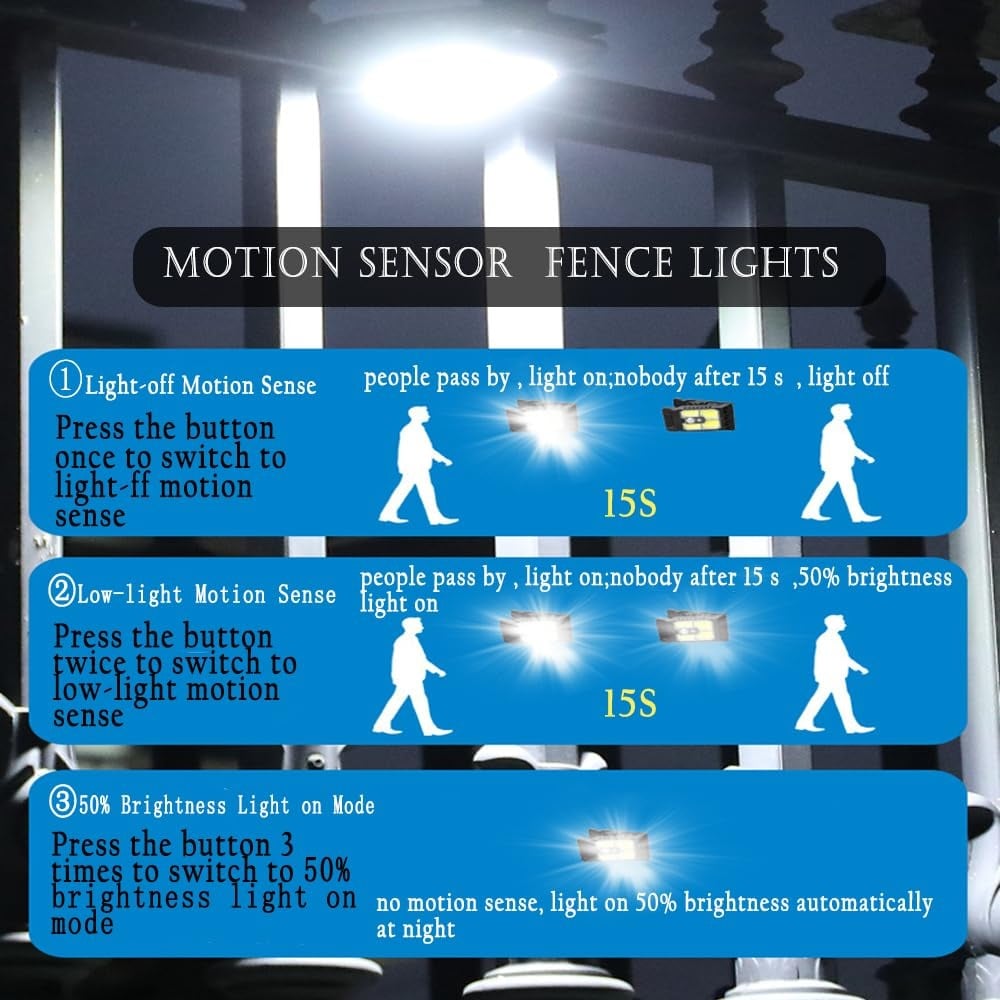
Automatic dusk switch
Comes on at dusk and off at dawn without a timer.
Removable cell
The rechargeable cell can be replaced rather than the whole unit.
Specifications
| Type | Solar Motion Sensor Lights |
| Materials | Mixed materials, fixings matched to the load |
| Colours | As shown in the gallery photographs |
| What you get | 1 x Solar Motion Sensor Lights |
How we would wear it
- Along a path edge
Even spacing reads as a deliberate line rather than scattered points.
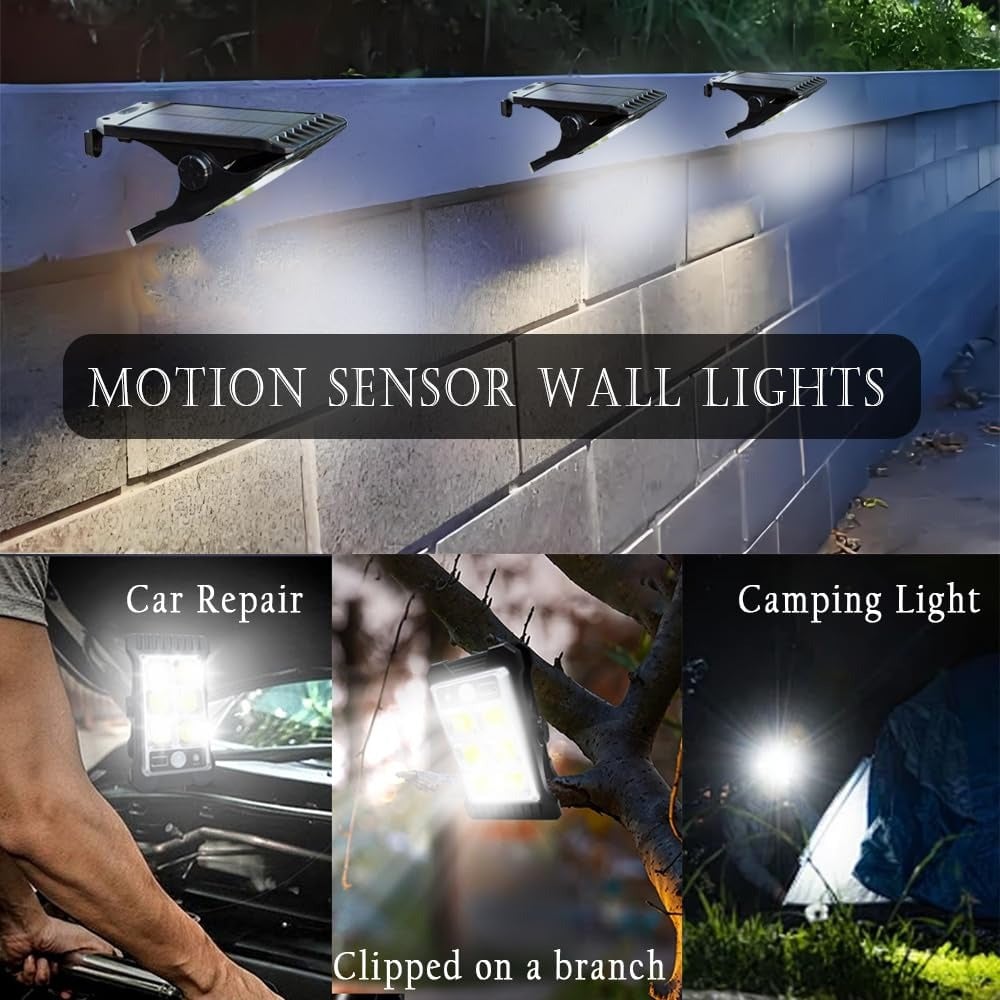
- On a fence or wall
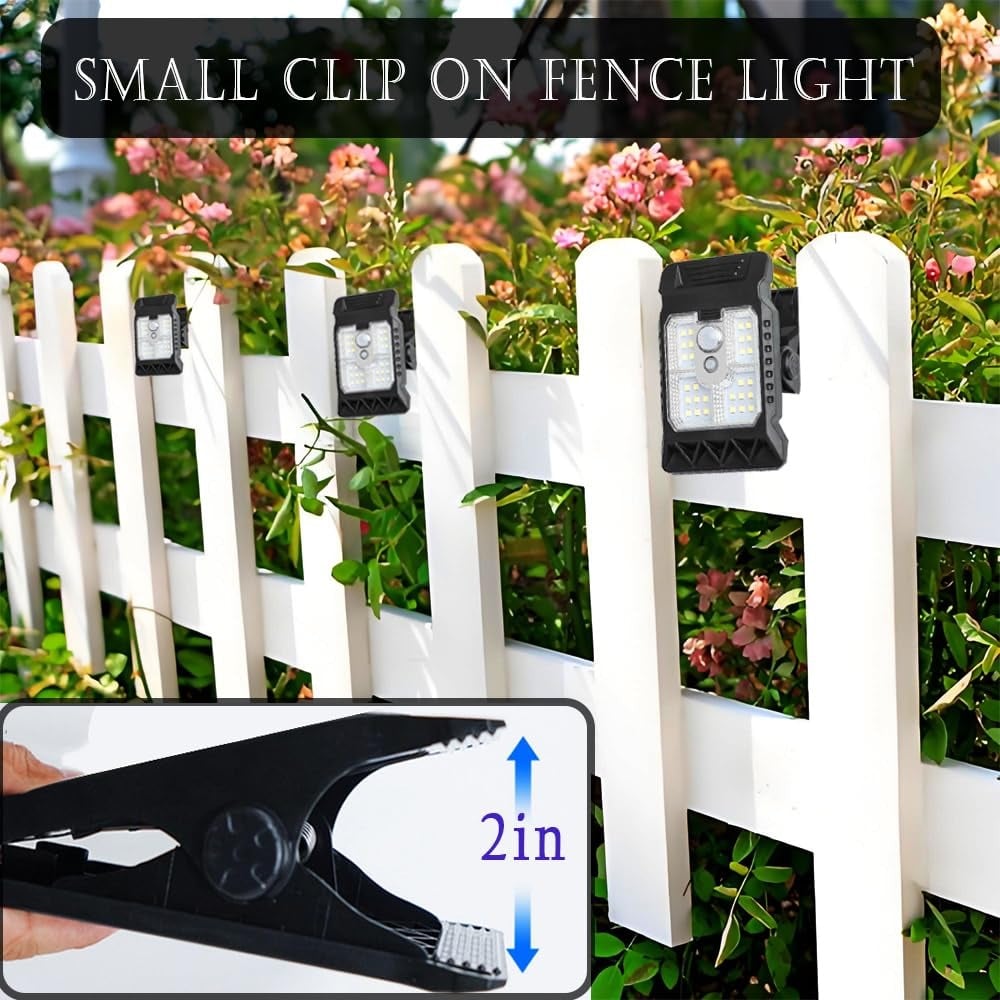
The bracket avoids drilling into render where a post will do.
- Facing the day's sun
Angle the panel towards the brightest part of the sky, not straight up.
- Left out all year
The housing is built for outdoor use; check the connections at the start of each season.
In the box
- 1 x Solar Motion Sensor Lights
Care
Wipe it down, check the fastenings once a season and tighten anything that has worked loose. That is the entire maintenance schedule — there is nothing that needs oiling, sealing or replacing on a timer.
Questions we get asked
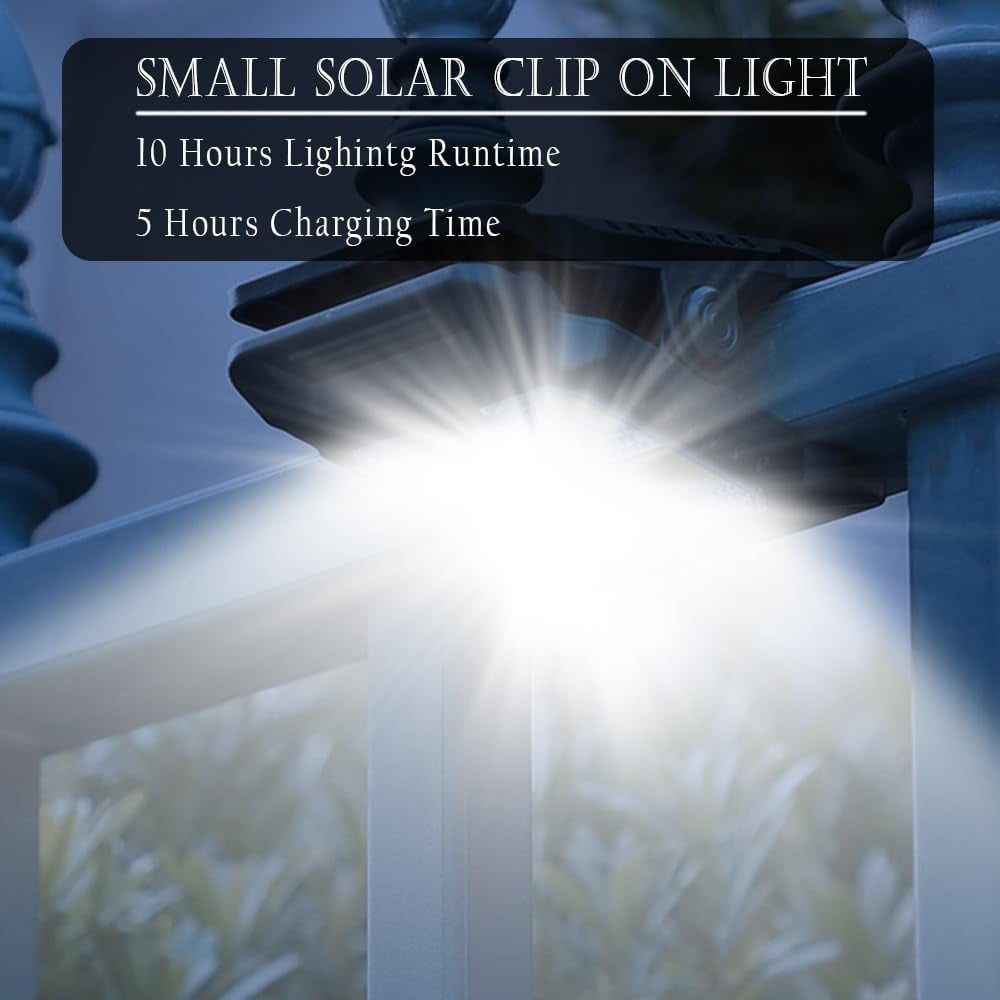
It needs daylight rather than full sun. A bright but shaded spot will still charge it, just more slowly, which shortens the running time after dusk.
Output drops in short, overcast days — that is a property of solar, not of this unit. Expect fewer hours per night rather than none.
Yes. The cell is removable on this unit, so the light does not have to be thrown away when the cell eventually loses capacity.
Keep looking
Also on the shelf